Plus Size Corset Buying Guide: Fit, Boning & Comfort
How to choose a plus size corset or basque by measurement, steel vs plastic boning, length, and how you plan to wear it — with a practical checklist before you buy.
Recommended Basques and Corsets products
View all →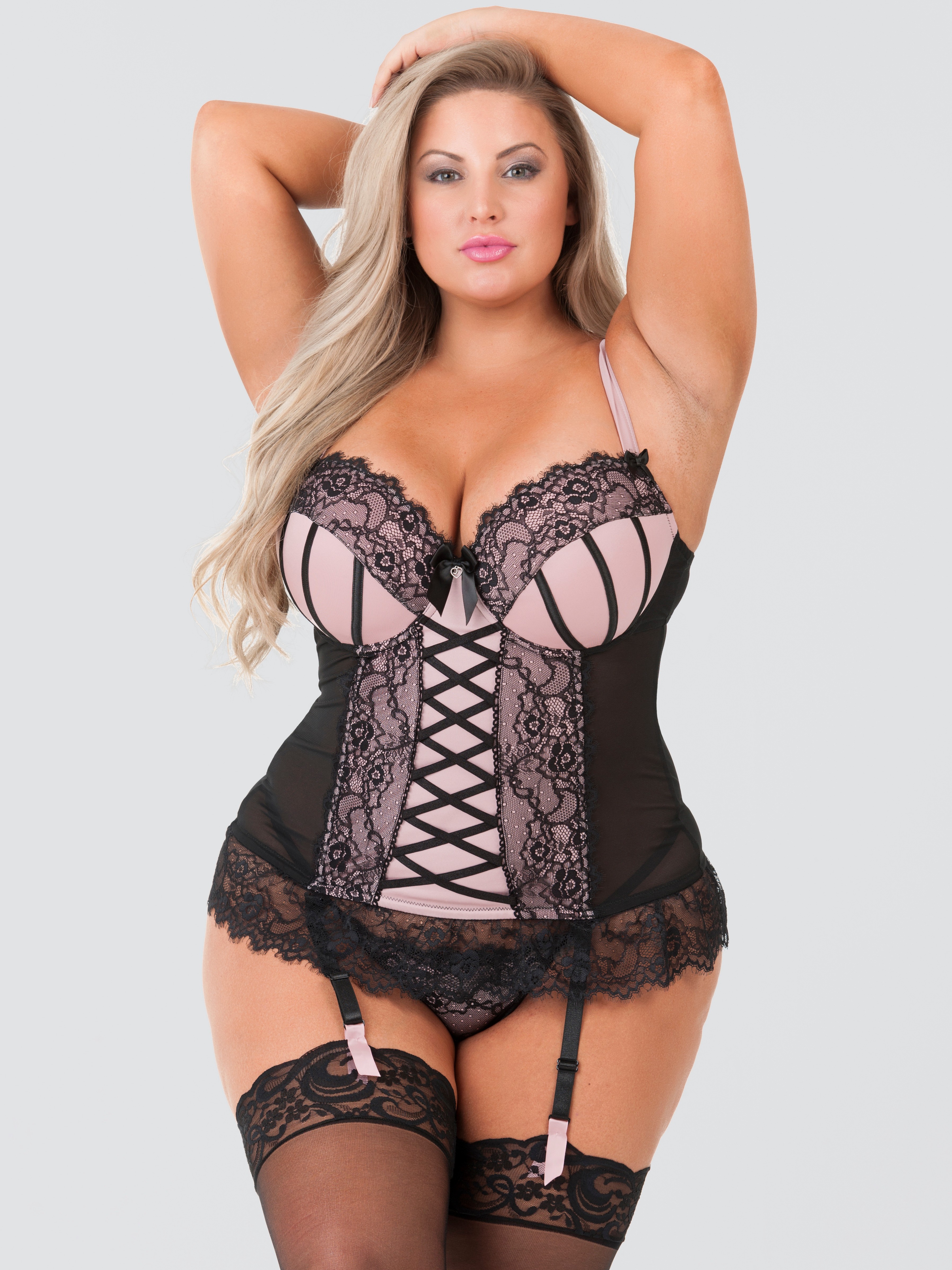
Lovehoney Plus Size Boudoir Belle Blush Pink Push-Up Basque Set - 1X / 2X - Pink

Lovehoney Plus Size Fierce Wet Look Underbust Bustier Set - 1X / 2X - Black
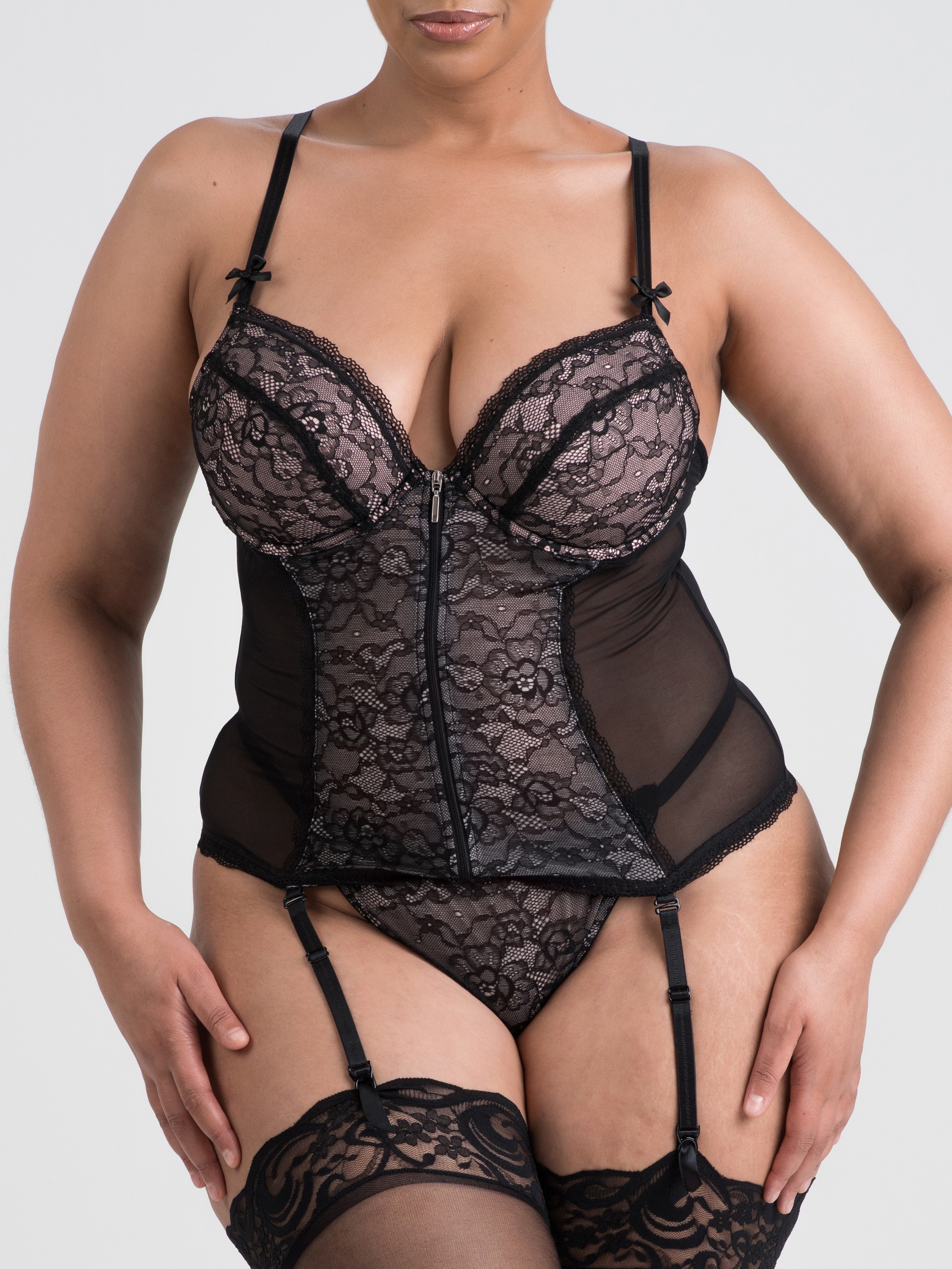
Lovehoney Plus Size Entice Me Black Lace Basque Set - 1X / 2X - Black

Lovehoney Plus Size Treasure Me Red Push-Up Basque Set - 1X / 2X - Red
A plus size corset should shape and support without fighting your body. The right pick depends on accurate measurements, boning type, torso length, and whether you want everyday cinching, lingerie styling, or a steel-boned fashion piece.
On Vibe Clothes Online you can compare listings from partner shops in one place. Related browsing: Plus Size Basques & Corsets, Plus Size Lingerie, and Basques & Corsets. Also see our sexy lingerie fit & sizing guide.
1. Measure before you choose a size
Corset sizes rarely match dress sizes. Measure with a soft tape over thin clothing (or bare skin for lingerie styles):
- Underbust – snug under the bust where the band will sit.
- Natural waist – the narrowest point, usually above the hip bone.
- High hip – where a longer corset or basque will end.
- Torso length – underbust to high hip if the listing mentions short vs longline.
Compare those numbers to the seller’s size chart, not the model’s dress size in the photo. If you are between sizes and want room to lace down later, size up; if you want a firmer first fit with stretch panels, true-to-chart is usually safer.
2. Steel-boned vs plastic-boned vs fashion “corset tops”
- Steel-boned – stronger structure, better waist definition, often heavier. Check whether the listing says spiral steel (more flexible) or flat steel (firmer).
- Plastic / synthetic boning – lighter and often cheaper; fine for short wear and lingerie looks, less ideal for aggressive cinching.
- Fashion corset tops / lace-up blouses – styled like a corset but may have little real structure. Great for outfits; do not expect waist-training support.
If the product title mentions “steel-boned long sleeve corset,” read the materials and care notes carefully — those pieces often need hand washing and careful drying.
3. Length and coverage: waist cincher vs basque vs longline
- Waist cincher / underbust – focuses on the midsection; you choose a separate bra or go braless as preferred.
- Overbust corset – includes bust support; check cup coverage in photos from the side.
- Basque / longline – longer torso coverage, often lingerie-forward with suspender options.
Browse the plus-size range in Plus Size Basques & Corsets when you want extended coverage rather than a short fashion cincher.
4. Closures, stretch panels, and comfort for longer wear
Look at how the piece opens and how it flexes when you sit:
- Front busk or hook-and-eye plus back lacing is common on structured styles.
- Zip fronts are faster to put on; check that the zipper is backed so it does not dig in.
- Mesh, stretch side panels, or soft lining improve comfort for evenings out.
- If you plan to wear it under a dress, prefer smoother outer fabrics and fewer bulky bows.
5. Styling ideas that still feel practical
- Over a blouse or mesh top for a layered evening look.
- As lingerie with coordinated briefs or suspenders from Plus Size Lingerie.
- Under a blazer with jeans for a structured street look — choose opaque fabrics.
For a shorter party silhouette after cinching, see our sexy mini dress style guide.
6. Quick checklist before you buy
- Underbust, waist, and high-hip measurements taken today
- Size chart matched — not dress size guessed from photos
- Boning type matches your goal (steel structure vs fashion lace-up)
- Length chosen (cincher vs overbust vs basque)
- Closure and stretch panels look wearable for your plans
- Partner shop care, shipping, and return rules reviewed
Bottom line
Start with measurements and boning type, then pick length for how you will wear the piece. Compare a few plus-size listings side by side rather than buying the first dramatic photo. Browse Plus Size Basques & Corsets or the wider Plus Size Lingerie hub, and use the lingerie fit guide for bra and brief pairing.
